Canada's education system
According to the Canadian constitution, education is the responsibility of the government of the state. Therefore, there is no uniform system of education regulations. However, in general, there is no big difference in the organization of schools or school time at all levels.
The Canadian education system consists of public and private schools from kindergarten to college at the university level, most of which are public. Therefore, the quality of education throughout the country is equal.
In general, the school year is from September to June. Students enter grade 1 at the age of 6. Primary schools are from grade 1 to 6. Secondary schools are from grade 1 to grade 11, 12, or 13 depending on the province. Students can attend college, Cé gep (Professional High School) or elementary school. Cé gep teaches two years of high school or vocational training for three years between high school and elementary school. Quebec alone has this Cé gep system. In the English-speaking provinces of Canada, pharmaceutical colleges are known by many different names: community colleges, technical institutes, university colleges, and SECONDARY SCHOOL.
There are many public and private high schools in Canada. At these schools, students can choose a program that combines culture and English. Most schools do not monitor the foreign language ability of students, as long as the student has good cultural performance. When entering the school, students will be tested seriously for languages to determine whether it is necessary to study additional languages in addition to cultural subjects.
Private Secondary School
Private high schools are available throughout the provinces. Many of Canada's prominent political and business leaders have graduated from these private schools. All private schools must be registered with the Ministry of Education in their home country or territory and must meet syllabus and other standards set by the relevant ministry. Parents can choose a male-only, female-only or male and female-only school for their children. Many private schools have a comprehensive boarding program, which gives parents peace of mind while their children are studying abroad. Many other schools only have daytime programs and some have both types of programs.
Public Secondary School
Many Canadian public schools are now accepting international students and this trend is growing. Public schools are governed at the local level by School Boards. Policies for accepting international students and tuition fees vary from province to province. Some high schools also have International Baccalaureat (IB) accredited IB programs throughout North America, which is equivalent to the first year of school. Students with high scores in Ib subjects are usually accredited by universities when they transfer to school.
College (college)

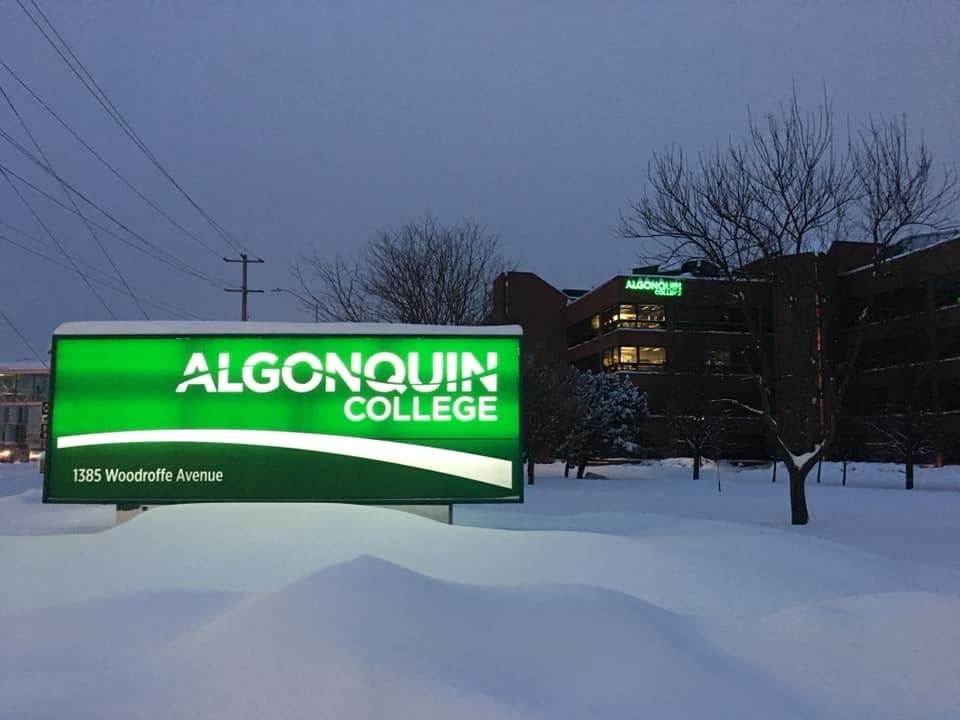
There are 175 post-secondary institutions that are members of the Association of Canadian Community Colleges (ACCC). These colleges are known by a range of titles: community colleges, technical institutes, colleges and Cé gep. All of these institutions are for the needs of business, entrepreneurship, community services and meet the learning needs of career-oriented high school graduates, university graduates looking for work as well as the continuing education needs of older adults.
In fact, there are many graduates who go to college to complete their professional skills. In general, colleges have more intensive vocational curricula than pre-schools, with small classes, outside-of-school internships, open classroom and lab space, interactive teaching and there are always many different levels of admission from engineering to creative arts.
The colleges are excellent training centers for many fields such as information technology, ore, environment, hospitality and tourism. Other full-time and part-time programs include medical, business, advanced education, applied arts, social services, etc. The colleges are dynamic educational institutions that regularly change to meet the economic and social needs of the community.
University College (University)
Colleges and Universities as the name suggests are a combination of Canadian colleges and universities. Students can pursue one of two options: a two-year cultural program followed by transfer to a university, or two to three years of study followed by graduation with a professional degree. Colleges and universities are often established with several regional universities to incorporate their transfer programs. Here students will continue to study the last two years of a four-year university program.
Community College (Community)
Community colleges are a popular type of school in Canada that offer 1 to 3 years of professional training (including internships). Some vocational community colleges also offer university transfer, allowing students to take a course equivalent to two years of a four-year undergraduate program. Students then continue their final two years of undergraduate study to complete their university degree.
University Transfer Programs
Students who want to earn a university degree can complete two years of first-year studies at a community college or university college and receive credits. Most of these credits can be transferred to other schools such as the first and second years of college. However, students must check carefully when choosing courses to suit their university studies. On the other hand, completing a university transfer program does not automatically mean being admitted to a university program, students must meet the admission requirements of the university in question.
In Quebec, international students can attend a college called Cé gep. For students who have graduated from high school, Cé gep offers two-year transfer programs to university or three-year technical transfer programs to work.
Vocational college (Technical Institute/Career College)
Private institutions provide students with practical skills for the job market after a short training period. Students who want to find short-term training programs in occupations such as cinema, computer science, internet, graphic design, hospitality, etc. can apply to vocational colleges. Although privately owned, these schools are regulated and recognized by the province to ensure the standards of curriculum and quality are always maintained.
College (university)
Canada has more than 95 universities that are world-renowned for the quality of teaching and research. Therefore, Canada's degradation is recognized around the world.
Canadian universities are state-funded on a large scale and are of high quality, regardless of their location or major. The number of full-time students at each university ranges from 1,000 to over 35,000. These schools offer a wide range of training and degrees from bachelor's, engineer to doctoral, including certificates and professional diplomas. Tuition fees vary depending on the province, each school and each program. The university year usually starts from September to May. A system of 2 or 3 semesters including summer. In Canada there is no general university entrance examination but only admission. Each school sets its own admission standards and considers applications on a case-by-case basis.
Language school (langua ge school)
Canada has two official languages, which means that international students can come to Canada to study in English (ESL) or French as a second language (FSL). Many people choose to study in English in Canada due to the many excellent English language schools and due to the pleasantly neutral Canadian accent. Over the years, Canada has developed very high expertise in teaching English due to the many immigrants who want to improve their English skills
International students can study English for general education, business, or personal use. In addition, students can also be trained to teach English. Generally, private schools that teach English have more flexibility in terms of semesters, programs, and admission schedules than university and college language centers. Most French language schools are located in Quebec. Similar to English language programs, students can study French at any time. Particularly, students enrolled in French or English language programs for the next 6 months can study in Canada on a tourist visa.
Learning ball and financial aid (scholarship, award, grant)
Canada also has policies to offer scholarships, grants or loans to students to study, but mainly for Canadian or permanent resident students. These grants are rarely enough to cover the full cost of study and students often still have to work extra to cover living expenses. Scholarships for international students are also available at some Canadian schools, most of which are universities for students with outstanding academic credentials. Many Canadian organizations also offer scholarships to international students and researchers but these scholarships are usually for graduate students and professors who are studying or researching for special talents.
In recent years, some Canadian universities have also offered scholarships for Vietnamese students to study in the first year (entrance scholarship). Canadian scholarships are also stolen through a number of bilateral agreements between Canada, Quebec Province, the French-speaking organization and the Vietnamese government. Students can find out how to contact the Ministry of Education and Training, the Embassy, the Consulate General of Canada in Vietnam.
Please contact: Greatlink International Study Abroad Co., Ltd.
Hotline: 0936773386
Email: [email protected] or