👉👉👉how to write a cv for a scholarship to study abroad
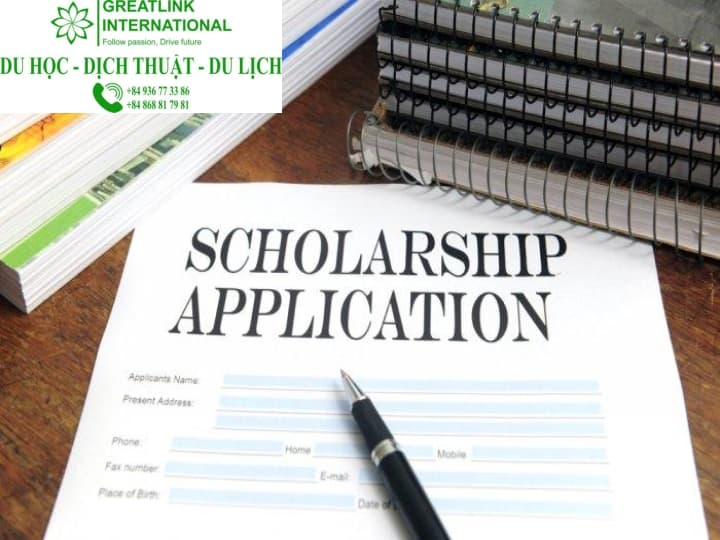
Unlike regular admission applications, application for scholarships requires more time. In addition to documents such as transcripts, reference letters, personal statements, the most important part of the application that the admission committee is interested in is the CV (abbreviated to Curriculum Vitae - curriculum vitae and work).
CV is an important element in the application because through CV the admission council will get information about all your activities, achievements and outstanding abilities. This information will decide whether you can pass the application round or not.
✅ The basics to pay attention to
Each person has a different way of presenting information and CV content, generally the items of the CV are relatively similar, but you should not depend too much or copy the entire CV of another person. You are the person who understands yourself best, so create a CV that shows your qualities and abilities in a smart and creative way. This is what helps you excel in the eyes of the review board.
CV should be clear, concise and concise, moreover it should show professionalism and logic. Small errors such as spelling, font color, alignment ... should also be carefully checked.
✅ Content CV
Generally CV often has the main parts such as:
🔥Personal information - Personal information: introduction of your name, hometown, contact information ... choose an email address with your name / surname to help staff easily find information about you if there is any problem or request. Moreover, this also shows the professionalism of the applicant.
🔥Education Level - Education Background: introduction of education level, study time, results...
🔥Work Experience - Work Experirence: introduction to the jobs we have done, the time we spent working, the...
🔥Research Experience: an introduction to real projects, research programs that you have been involved in and the results ... This content is especially important if you apply for scholarships / research programs.
🔥Extracurricular activities - extracurricular activities: an introduction to the extracurricular activities you have participated in, the time. For example, school union activities, school clubs, volunteering ...
🔥Awards and honours: certificates of your academic achievements and activities.
🔥 Skills - Skills: For example, foreign language skills, computer, using computer software, teamwork ... This content does not need to be too focused in the application except for the case of applying for scholarships / scholarships in the professions that require special skills such as independent research work, teamwork, laboratory work ...
🔥Referrers/confirmations - References: These people are usually your lecturers or superiors...
The parts of a CV are the same, but the way you exploit and build each part is your choice, so take the time to create your own CV that describes all your strengths. You should also write your CV honestly because what you write in it will often be the questions asked to you during the interview (if your resume is accepted)
---------------------------------