
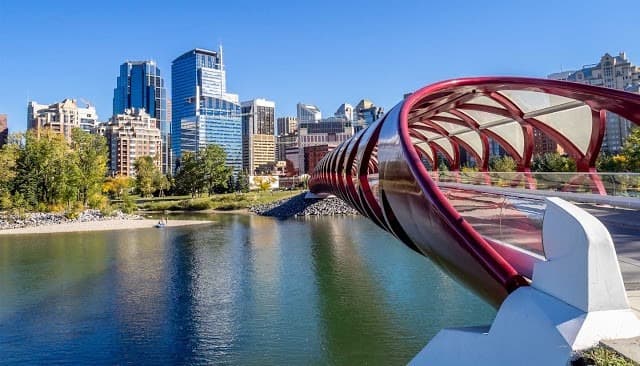
The climate in Canada's provinces
Canada – the second largest country in the world is located in the northernmost part of North America. The vast country with the blessings of nature offers different types of landscapes from soaring mountains to vast prairie fields, from temperate forests to year-round icy snowy regions. The climate in the Canadian provinces has different differences due to the geographical location and topography of each state. However, the climate in the states has a gradual change from north to south.
Just like Vietnam, the climate in Canada also has 4 distinct seasons: Spring, summer, autumn, winter. The temperature and weather in each season of the regions also differ, temperature and rainfall depending on each region and season.
Climate in Vancouver Island
Nestled on the southwestern coast of British Columbia, Canada.Vancouver is bordered by the Pacific Ocean coast, close to the two American cities of Seattle and San Francisco, With the advantage of the sea, mountains, snow and ocean, Vancouver is known as the attractive and charming city of the country of Maple. The mountains of various fancy shapes, romantic beaches, primeval forests, large lawns, roads along the coast, a picturesque port area makes anyone who first set foot in Vancouver to be heartbroken by this city.
Vancouver's climate is warmer than many other cities in Canada, so many Asian students choose this city. The average temperature is around 0 – 10 degrees Celsius. However, students should be aware of the fluctuations in weather and should pay attention to cold clothes and should bring an umbrella with them.
Climate in British Columbia
British Columbia is the westernmost province of Canada, one of the most mountainous regions in North America. Because of its proximity to the sea, British Columbia is considered the gateway to the Pacific Ocean and Asia. The capital of BC is Victoria and the largest city is Vancouver.
The climate in BC is temperate with mild and humid oceans, so this is also the choice of many Vietnamese students when studying in Canada. Spring from March – May, summer from June – August, autumn from September -11, winter from December – February.
B.C. is the state with the most pleasant winters, as the area receives warm winds blowing from the Pacific Ocean. And the climate is also differentiated into 4 springs –
fall – autumn – winter.
The average temperature of the state is 15 degrees Celsius. The northern part of the territory has lower temperatures than the southern part of B.C. Since BC also forms on many different terrains, the seasons in the regions from north to south have a diversity.
Climate in Quebec
Quebec is one of the ten provinces of Canada, with an area of 3 times the size of France and the second largest province of the country. To the south of Quebec are the U.S. states of Maine, New Hampshire and New York, to the west are the provinces of Ontario and Hudson Bay. More than 90% of the land area of Quebec province is located on a large rocky background commonly known as the Canadian Shield.
Quebec is a densely populated, temperate region.
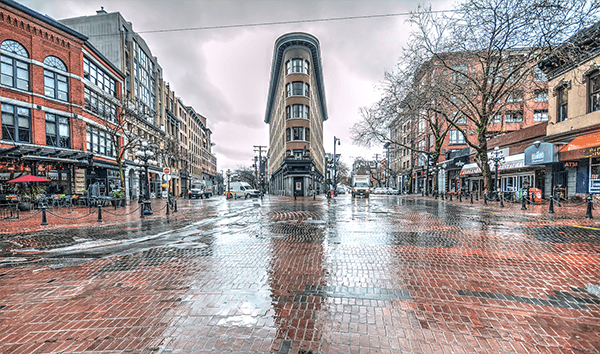
Often when referring to Canada, people often think that it is a place with cold and ice all year round. In fact, the climate of Canada in general and Quebec in particular is quite diverse and has 4 distinct seasons. In Southern Quebec, where the majority of the population lives, the climate is very mild.
In the spring, the snow begins to melt and the temperature gradually increases to make the space warmer, in the summer it is already hot, creating an extremely fun atmosphere suitable for outdoor activities. Autumn temperatures gradually decrease, becoming cool and the Canadian maple forest begins to change a new shirt signaling that the autumn is nearing the end and by winter, it is the coldest period and ice hockey has always been a favorite sport of Quebec people at this time.
The capital of Quebec City is a plateau city with a dry climate and mild temperatures. Calgary has an average of 2,300 hours of light per year, making it the sunniest major city in the country.
Climate in Ontario
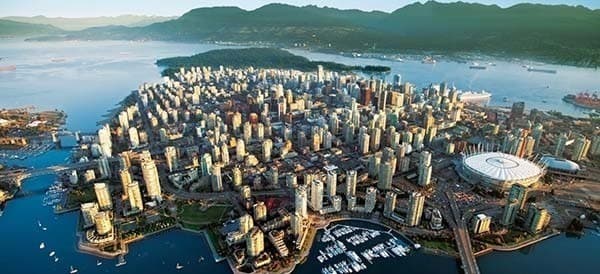
Ontario has a distinctly dense climate with 4 seasons (spring, summer, autumn, winter). This is the most pleasant area in Canada with dense residents and extremely developed economy
-Spring lasts 3-5 months, the average temperature is 12°C, pleasant cool weather.
-Summer from June to August, the average temperature is 20°C – 30°C, the weather is warm, the sky is blue and clear without a cloud ripple.
-Autumn starts from September to November, the average temperature is 10°C - 12°C, often dry and cold season changes color and change of many plants.
-Winter starts from November to February, the average temperature is -10°C – 0°C. The background temperature is lower than 0°C, with snow cover.
As Ontario is a large state, Ontario is divided into three distinct climate zones. Southwest Ontario has a humid climate (hot summers, cold winters), heavy snowfall in winter. Other regions in the East and central Ontario have a different climate, sometimes with hot summers, flax winters and heavy snowfall. In the Arctic, the summers are very short and cool, and the winters are long and cold.
Climate in Alberta
Alberta is a province located in the western part of Canada and is not bordered by the sea. It is the 4th most populous province of Canada. Calgary City is the largest and most developed city in Alberta, also the 5th busiest city in Canada.
The climate of Alberta is also quite characteristic, it brings dry continental climate, hot summer, cold winter and climate changes gradually from the north to the south. Saying hot summer but compared to the climate in Vietnam, the climate here is also quite cool, according to statistics from the department of hydrometeorology Alberta average temperature in January ranges from -8°C in the south to -24°C in the north, and in July from 24°C in the south to 16°C in the north.
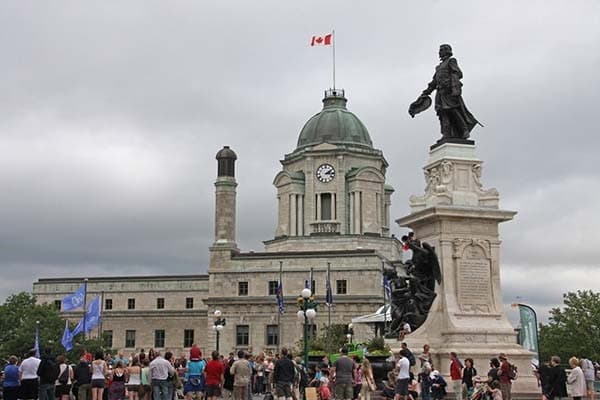
During the summer, daytime temperatures average between about 21°C, in the Rocky Mountain Valley and as far north as nearly 30°C in the dry grassland of the southeast. The west and north have higher rainfall and lower evaporation rates so summer temperatures in these two directions are relatively cool.
The climate in the provinces of Canada is different and colder than the climate of Vietnam, but it must also be too harsh climate. Therefore, it is necessary to decide to study in Canada is to thoroughly explore the area where you live, and prepare carefully for your long journey, there is no difficulty in the climate
at all.
Compiled
Please contact: Greatlink International Study Abroad Co., Ltd.
Hotline: 0936.77.33.86/0868.81.79.81
Email: [email protected] or [email protected]